
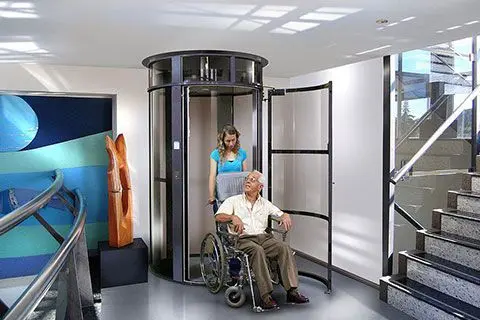
Understanding Home Elevators in Sierra Leone
Home elevators, also known as residential lifts, are becoming increasingly popular in Sierra Leone. These devices offer a practical solution for homeowners seeking increased mobility within multi-story residences. A home elevator can enhance accessibility for individuals with limited mobility, as well as provide convenience and ease for transporting heavy items between floors.
There are various types of home elevators available in Sierra Leone, including traditional residential elevators and modern vacuum elevators. Traditional elevators operate using a pulley system and require a hoistway, which may necessitate structural modifications to the home. On the other hand, vacuum elevators utilize air pressure to move between floors, requiring less space and installation considerations. This makes them an excellent option for homes with spatial constraints or more limited construction capabilities.
Operating a home elevator is generally straightforward. Users simply press a button to call the elevator to their location and select the desired floor. Safety features are typically incorporated, such as emergency stop buttons, backup power supplies, and door interlocks, to ensure a secure experience. These safety implementations make home elevators a preferable alternative to stairs, particularly for individuals who may face challenges with climbing steps.
The benefits of installing a home elevator extend beyond convenience. They can significantly increase the market value of a home, appeal to a broader range of potential buyers, and enhance the overall living experience for residents. Furthermore, investing in a residential lift can lower the risk of falls and injuries associated with stair use, particularly in households with elderly individuals or those requiring rehabilitation.
Popular Types of Home Lifts in Sierra Leone
When considering home elevators in Sierra Leone, homeowners are met with a variety of options, notably vacuum elevators and residential elevators. Each type possesses unique characteristics that cater to different needs and scenarios, making them increasingly popular in the region.
Vacuum elevators exemplify modern technology with their innovative design, which utilizes air pressure to transport passengers smoothly between floors. These lifts are notable for their compact size, requiring minimal installation space, thus fitting well within the dimensions often present in Sierra Leonean homes. They are generally seen as maintenance-free due to fewer moving parts, making them an attractive choice for homeowners looking for low upkeep. Additionally, their elegant aesthetics complement contemporary home designs, enhancing the overall appeal of residential spaces.
On the other hand, traditional residential elevators offer robust functionality and can support higher weight capacities, making them ideal for larger families or homes with heavy traffic. These elevators are often installed in homes with more generous space allocation, requiring a shaft created during construction. Although they may not be as visually appealing as vacuum lifts, their reliability and customization options prove beneficial in everyday use.
When comparing traditional lifts with modern options such as vacuum elevators, it's important to consider factors like installation needs, cost implications, and energy consumption. Traditional elevators typically incur higher installation costs and may require substantial electricity for operation. In contrast, vacuum elevators generally consume less energy and provide a cost-effective alternative in the long term.
Ultimately, the choice between these types of home lifts depends on various factors, including space availability, budget, and personal preference, making it crucial for homeowners to assess their specific needs before making a decision.
Frequently Asked Questions About Home Elevators
Home elevators offer a solution for accessibility and convenience within residential properties. Below is a compilation of the most commonly asked questions regarding these essential home installations.
1. What are the safety measures in place for home elevators?
Home elevators are equipped with multiple safety features such as emergency stop buttons, safety brakes, and non-slip flooring. Regular maintenance is also crucial to ensure these safety systems are fully operational.
2. How does the installation process work?
The installation of a home elevator typically involves a site assessment, followed by designing the lift to suit the specific space. Afterward, the installation can take several days to weeks depending on the complexity and required modifications to the home.
3. What is the average cost of a home elevator?
The cost of a home elevator varies widely, averaging between $15,000 and $30,000. Factors influencing the price include the type of elevator, customization levels, installation specifics, and additional features.
4. Do home elevators require a lot of space?
While space requirements vary, most residential elevators require a shaft or hoistway. However, there are compact models available that can fit in tight spaces, making them adaptable for various home layouts.
5. How often should a home elevator be serviced?
It is advisable to have home elevators serviced at least once a year to ensure safety and functionality. Regular maintenance helps prevent potential issues and enhances the longevity of the lift.
6. Are home elevators energy-efficient?
Many modern home elevators are designed with energy efficiency in mind. Hydraulic and pneumatic models tend to be the most efficient, consuming less energy than older lift technologies.
7. Can home elevators be installed in multistory homes?
Yes, home elevators are ideal for multistory homes. They provide convenient access between floors, enhancing mobility for everyone, including those with mobility challenges.
8. Do I need planning permission for a home elevator?
Depending on local regulations, some areas may require planning permission for installation. It’s advisable to check with local authorities or a qualified professional before proceeding.
9. What are the different types of home elevators?
The main types include hydraulic, pneumatic, and gearless traction elevators. Each type comes with its own set of advantages and disadvantages in terms of space, installation, and cost.
10. How do I choose the right home elevator for my needs?
Selecting the right home elevator involves assessing your specific needs, budget, and available space. Consulting with a professional installer can provide guidance tailored to your requirements.
Why Choose Pelifts for Your Home Elevator Needs in Sierra Leone
When considering home elevators in Sierra Leone, one company that stands out is Pelifts. With years of experience in the industry, Pelifts has established itself as a premier provider of home lifts that cater specifically to the needs of Sierra Leonean households. Their expertise transcends standard elevator services; they offer customized solutions that ensure both functionality and aesthetics, perfectly aligning with your home’s design.
One of the significant advantages of choosing Pelifts is their unwavering commitment to customer service. From the initial consultation to the final installation, their team prioritizes client satisfaction. Pelifts representatives are well-trained and knowledgeable, guiding customers through every step of the process and addressing any queries promptly and professionally. This level of dedicated service sets Pelifts apart from competitors who may not provide the same personalized experience.
In terms of product range, Pelifts offers an extensive selection of home elevators tailored to various styles and budgets. Whether you prefer a modern, sleek design or a more classic aesthetic, Pelifts has options that will meet your demands. Their home lifts are built using high-quality materials, ensuring durability and safety, which is paramount when selecting an elevator for your home.
Moreover, Pelifts has numerous testimonials from satisfied clients who have successfully integrated their elevators into their homes. Many customers praise the seamless installation process and reliable performance of the lifts, highlighting Pelifts’ reputation for excellence within the industry. These success stories reinforce the reliability and quality of Pelifts, further solidifying their status as the go-to choice for home elevators in Sierra Leone.
You need a Building Permit from the Ministry of Lands and safety registration with the Ministry of Labour. Planning permission is required for home lifts because they involve structural and mechanical safety checks.
To learn more, please submit your details via the contact form.
https://sl.pelifts.com/contact